
CPG Marketing Budget: Where Should Your Next $25K Go?

Picture this: your CPG brand is exceeding expectations. Sales are up, product is moving, and because of that, you have an extra $25,000 to invest in marketing. The options seem endless. Do you put that money into paid social, creators and influencers, sampling, PR, content production, retail media, or somewhere else entirely?
You’ve been given a great opportunity to continue building momentum, and you don’t want to squander it. It’s natural to look at whichever marketing channel is performing best and think: That’s where the money should go. But there is no one universal “best” marketing channel. There is only the best investment for your brand’s current business objective.
Instead of asking, “Which marketing channel is performing the best?” start by asking:
“What does the brand need to accomplish?”
Much like a doctor can’t prescribe medication without first diagnosing the problem, you can’t determine the most effective way to allocate your CPG marketing budget until you understand what is holding the business back.
Do people not know us? → Awareness problem
Do they know us but haven't tried us? → Trial problem
Are we in stores but not selling through? → Retail velocity problem
Do people buy once but not again? → Retention/repeat problem
Are we struggling to enter retailers? → Distribution/trade problem
The right marketing investment starts with the problem you're actually trying to solve.
Table of Contents
How Should a CPG Brand Decide Where to Spend Its Marketing Budget?
Awareness Problem? Buy Attention
Trial Problem? Sample, Sample, Sample
Retail Velocity Problem? Meet the Shopper at the Shelf
Retention Problem? Don’t Pour Water Into a Leaky Bucket
Distribution Problem? Support Sell-In
Sometimes the Next Marketing Dollar Shouldn’t Go to Marketing at All
The Apricots Media Tip: Invest in Creative for a Payoff Everywhere
Final Takeaways
Frequently Asked Questions About CPG Marketing Budgets
How Should a CPG Brand Decide Where to Spend Its Marketing Budget?
Before splitting your budget across paid social, influencer marketing, retail media or any other channel, identify the primary constraint keeping the brand from growing. If consumers don't know you exist, spending more money trying to convert them at the bottom of the funnel probably won't solve the problem.
If consumers already know and like the brand but can't find it anywhere, you may have a distribution problem rather than an awareness problem. And if people buy once but never return, pouring more money into customer acquisition can get expensive very quickly. Your CPG marketing budget should follow the problem.
Awareness Problem? Buy Attention
It’s tempting to invest money into the lower-funnel stages, who doesn’t want to sell more product?
However, customers are unlikely to purchase your product if this is the first time they’re encountering your brand. If awareness is the primary problem, use this opportunity to put the brand in front of more of the right people and build familiarity over time.
How?
Invest in paid social to scale reach and control targeting.
Use creators and influencers to introduce your product through people consumers already trust and demonstrate the product in a real-life context.
Invest in PR when broader awareness, credibility and third-party exposure support your goals.
Develop strong creative content so every other awareness channel has something worth distributing.
The goal isn't necessarily to make every person purchase the first time they see your product. It's to make sure that when they encounter it again, on TikTok, on Amazon, at Target or on the grocery-store shelf—it no longer feels completely unfamiliar.
Trial Problem? Sample, Sample, Sample

Trying a new product can feel like a gamble.
Consumers are being asked to spend their hard-earned money on something they may not know if they'll like. If people are familiar with your brand but aren't converting, your marketing strategy may need to make that first trial easier.
How?
Utilize creator product seeding to get the product into the hands of relevant creators with engaged audiences. Word of mouth is still incredibly powerful, and in some cases the initial investment may be as simple as gifted product.
Who doesn’t love strolling through Costco and grabbing a sample while they shop? Use in-store sampling and retail demos to introduce customers to your product right at the point of purchase.
Use promotional offers to encourage first-time purchases and give consumers who are on the fence another reason to try the product.
For products where taste, texture, scent or the actual experience is a major selling point, sometimes the best marketing is simply getting the product into someone's hands.
Retail Velocity Problem? Meet the Shopper at the Shelf

Getting onto the shelf is only half the battle.
If your brand has distribution but the product isn't selling through quickly enough, your next marketing investment may need to help close the gap between consideration and purchase. This means meeting shoppers closer to the moment they're actually deciding what to buy.
How?
Retail media can place your brand in front of consumers while they're actively shopping within a retailer's ecosystem.
Geo-targeted paid social around retail locations can help build awareness and demand in specific markets where your product needs additional support.
Sponsored search on retailers such as Walmart and Amazon can bring your product directly into view when shoppers are already searching the category.
Retail-specific promotions and activations can give shoppers an additional reason to choose your product over another option.
Once you've earned retail distribution, marketing has another job: helping make sure the product actually moves.
Retention Problem? Don’t Pour Water Into a Leaky Bucket

If your brand isn’t retaining customers, it is imperative to understand why.
Don’t continue pouring money into customer acquisition if you can’t hold onto customers after the initial purchase. Ask what is preventing the second purchase.
Do customers understand how to use the product? Does it naturally become part of their routine? Do they know about your other products or flavors? Are you staying top of mind when it's time to repurchase?
How?
Close the consumer knowledge gap with educational and product-use content. Give customers the information they need to get the most out of your product and understand what makes it different.
Create a loyalty or rewards program to encourage repurchases while building a stronger relationship with existing customers.
Use email and SMS marketing to stay top of mind and make sure customers who would care about new products, promotions or brand news actually hear about them.
Develop content around new ways to use the product, recipes, routines and occasions to give existing customers more reasons to keep it in rotation.
Before spending more to fill the top of the funnel, make sure the customers already entering it have a reason to stay.
Distribution Problem? Support Sell-In
Sometimes the biggest marketing problem isn't consumer awareness at all. It's access.
Your audience may know your brand, follow you on social and even actively want the product, but if they can't easily find it, there is a limit to how far additional consumer marketing can take you. If distribution is the primary constraint, your next investment may need to support the trade and retail side of the business.
How?
Consider investing in:
Retailer-specific marketing materials that clearly communicate your brand, consumer and opportunity.
Trade marketing that supports retailer relationships and sell-in efforts.
Retail launch plans showing buyers how you intend to create demand after entering their stores.
Retail-specific content and creative that can support launches across social, digital retail and ecommerce.
Consumer demand and retail distribution need to support one another. There is little value in generating huge demand for a product your target customer can't actually buy.
Sometimes the Next Marketing Dollar Shouldn’t Go to Marketing at All
Before pouring more money into marketing, ask whether the rest of the business is actually ready for more demand.
Does the brand have:
Enough inventory?
Adequate retail distribution?
Strong margins?
Good retailer product pages?
Strong customer reviews?
Effective packaging?
Enough creative assets?
Operational capacity to fulfill additional demand?
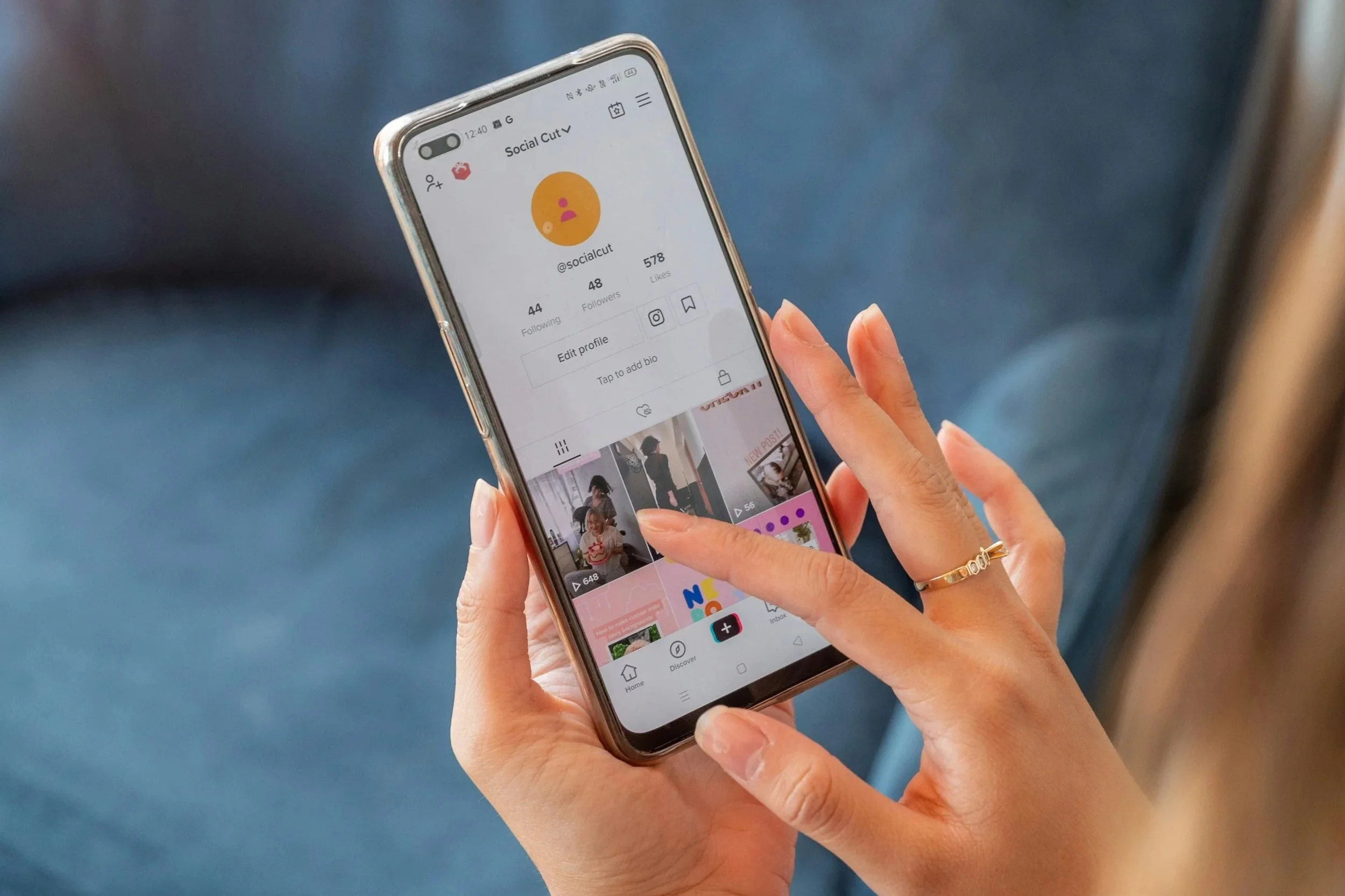
If a brand's TikTok goes viral but the product is constantly out of stock, another $25K in paid media could actually make the business problem worse. Or imagine your Amazon conversion is poor because the product page has weak photography and unclear messaging. Buying more Amazon traffic isn't necessarily the answer.
Sometimes the best use of your next marketing dollar is fixing the thing preventing your existing marketing from working.
The Apricots Media Tip: Invest in Creative for a Payoff Everywhere
Creative is a little different from many of the investments above because strong content can support nearly every part of your marketing ecosystem.
One well-planned shoot can create assets for organic social, paid social, retailer pages, Amazon, email campaigns, product launches and creator partnerships. A short-form video can live organically on TikTok or Instagram and potentially become paid creative.
Strong product photography can support your website, retailer listings, social content, email and sales materials. Educational content can support both acquisition and retention.
So instead of thinking about content production as another isolated marketing channel, think of creative as infrastructure for the channels around it. Give every channel something worth distributing.
That doesn't mean every available dollar should automatically go toward content. It means that if weak, insufficient or repetitive creative is holding back channels you're already investing in, improving your creative system can have a payoff across the entire marketing mix.
Final Takeaways
Before contacting influencers, increasing ad spend or talking CPMs, ask yourself:
What are we trying to change?
Where in the consumer journey is the problem?
What is preventing growth right now?
Which channel is best positioned to solve that specific problem?
How will we know if it worked?
The hardest part of marketing is knowing your business from top to bottom, inside and out. That understanding affects much more than where you put your marketing spend.
And remember: the best marketing mix is just that, a mix.
For a tree to thrive, it needs roots, branches and leaves. Know when to invest in the root system, when to expand the canopy and when to stop growing long enough to strengthen what is already there. There isn't one marketing channel every CPG brand should invest in next.
There is the channel, or combination of channels, that addresses the problem standing between your brand and its next stage of growth.
The Apricots Media Tip: Invest in Creative for a Pay-off Everywhere.
Give every other channel something worth distributing. Invest in content that can be used in endless different activations and content tailored to your specific goals. High quality creatives are the foundation of any successful campaign, so invest like it!
Frequently Asked Questions About CPG Marketing Budgets
How should a CPG brand allocate its marketing budget?
A CPG brand should allocate its marketing budget based on the business problem it needs to solve rather than automatically splitting money evenly across channels. Low awareness may require paid social, creators, PR or content, while low trial may call for sampling and promotions. Retail velocity, retention and distribution each require a different marketing approach.
What are the best marketing channels for CPG brands?
Common CPG marketing channels include organic social media, paid social, influencer and creator marketing, sampling, retail media, PR, email and SMS, ecommerce advertising, trade marketing and content production. There is no single best channel for every CPG brand; the right mix depends on the brand's goals, distribution and stage of growth.
Should CPG brands invest in influencer marketing or paid social?
Influencer marketing and paid social can serve different purposes. Creators can help build trust, demonstrate products and generate authentic content, while paid social allows brands to scale reach and control targeting. Many brands use both, but the appropriate investment depends on the objective the campaign is designed to achieve.
When should a CPG brand invest in retail media?
Retail media can be particularly useful when a CPG brand already has retail distribution and needs to improve visibility or sales velocity within a retailer. It allows brands to reach consumers closer to the point of purchase and can support retailer launches, sponsored search and ecommerce visibility.
When should a CPG brand invest in product sampling?
Product sampling can be especially valuable when consumers need to experience the product before feeling confident purchasing it. This is common with food, beverage, beauty, personal-care and other CPG products where taste, texture, scent or product experience can strongly influence the buying decision.
When should a CPG brand invest more in content creation?
A CPG brand may need to invest more in content when weak or insufficient creative is limiting the performance of other marketing channels. If your team is repeatedly using the same assets, lacks enough short-form video, has outdated product photography or doesn't have retailer-specific content, stronger creative production may improve several channels at once.
Does a CPG brand need to use every marketing channel?
No. More channels don't automatically create a stronger marketing strategy. Brands should prioritize the channels that support their current goals and that they have enough budget, creative and resources to execute effectively.
What should a CPG brand do before increasing its marketing spend?
Before increasing marketing spend, evaluate inventory, distribution, margins, packaging, reviews, retailer and ecommerce product pages, creative assets and operational capacity. Increasing demand before these fundamentals are ready can amplify existing problems rather than solve them.
Looking for a CPG Marketing Partner?
At The Apricots Media, we help CPG brands grow through social strategy, content creation, product photography, short-form video, creator marketing and social media management.
Not sure where your brand should invest next?
Schedule a discovery call with our CEO, Sonia, to talk through your goals, current challenges and what your brand may need next.
